





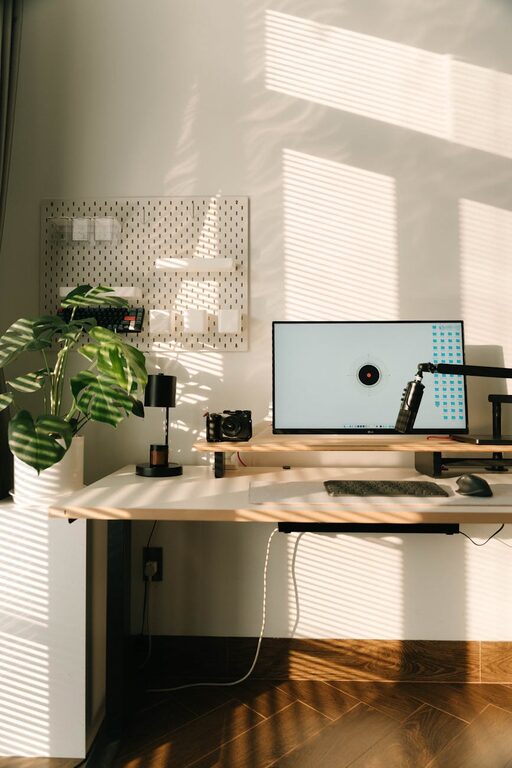
Creating a relaxing home workspace is essential for maintaining productivity and reducing stress while working from home. Unlike traditional office environments, your home workspace should blend comfort with functionality to support your daily tasks efficiently. In this post, we will explore practical tips for designing a calming and productive area that suits your needs.
Why a Relaxing Workspace Matters
A cluttered or uncomfortable workspace can lead to distractions and burnout. Having a space that feels peaceful encourages concentration and creativity. When you feel relaxed, it’s easier to stay focused and complete tasks on time. A well-designed workspace also helps separate work life from personal life, promoting a healthy balance.
Choose the Right Location
Prioritize Natural Light
Natural light can dramatically improve your mood and energy levels. Position your desk near a window if possible, allowing sunlight to brighten your work area. If natural light is limited, opt for full-spectrum bulbs that mimic daylight to reduce eye strain.
Minimize Noise Distractions
Select a quiet spot away from household noise and high-traffic areas. Using noise-canceling headphones or a white noise machine can also help maintain focus.
Invest in Comfortable and Ergonomic Furniture
Choose an Ergonomic Chair
A chair with good lumbar support helps prevent back pain and supports good posture. Look for adjustable chairs that fit your body well and allow comfortable movement.
Use a Suitable Desk
A desk at the right height lets you work comfortably, whether sitting or standing. Consider a sit-stand desk to alternate positions and reduce physical strain.
Organize Thoughtfully
Declutter Regularly
Keep only essential items on your desk. A clutter-free surface reduces distractions and fosters a clear mind.
Use Storage Solutions
Drawers, shelves, or organizers help keep papers, gadgets, and supplies neatly stored. Label containers to find things quickly.
Add Soothing Elements
Incorporate Plants
Plants improve air quality and add a touch of nature to your space. Choose low-maintenance plants like succulents, spider plants, or pothos.
Choose Calming Colors
Soft, neutral colors such as light blues, greens, or earthy tones create a peaceful atmosphere. Avoid overly bright or distracting hues.
Use Aromatherapy
Scents like lavender or eucalyptus can promote relaxation. Consider using an essential oil diffuser or scented candles, but ensure proper ventilation.
Manage Technology Wisely
Minimize Screen Glare
Position your monitor to avoid reflections and use an anti-glare screen if needed. Adjust brightness and contrast to reduce eye strain.
Hide Cables
Tidy cords with clips or sleeves to keep your workspace neat and prevent accidents.
Establish Healthy Work Habits
Take Breaks Regularly
Stand up, stretch, or walk briefly every hour to stay refreshed. Breaks help prevent mental fatigue and maintain productivity.
Set Boundaries
Define clear work hours and communicate them to family or housemates to minimize interruptions.
Personalize Your Space
Add photos, artwork, or inspirational quotes that motivate you without cluttering the area.
Optimize Lighting and Temperature
Proper lighting reduces eye strain and boosts alertness. Use adjustable lamps to provide task lighting when natural light is insufficient. Maintain a comfortable room temperature to avoid discomfort that can distract you from work.
Final Thoughts
Designing a relaxing home workspace requires a balanced combination of comfort, organization, and personalization. By incorporating these tips, you can create an environment that supports productivity and well-being. Remember, the goal is to make your home office a place where work feels less like a chore and more like a fulfilling part of your day.
Implementing these ideas step-by-step will help you build a workspace that nurtures both your focus and relaxation, ultimately leading to better work outcomes. Happy decorating!




More Stories
Tips for Creating a Cozy and Inviting Home Office Space
Tips for Creating a Cozy and Productive Home Office Space
Simple Tips to Create a Cozy and Inviting Home Workspace