





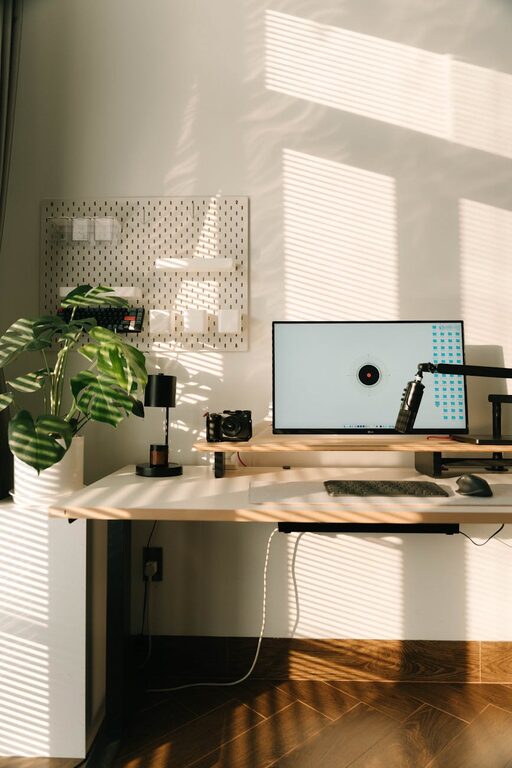
Creating a cozy and inviting home workspace can make a significant difference in your comfort and productivity. Whether you work remotely, study, or manage household tasks, having a dedicated area that feels welcoming and organized helps maintain focus and reduces stress. In this post, we’ll explore simple tips to transform your workspace into a place you enjoy spending time in.
1. Choose the Right Spot
Start by selecting the best location for your workspace. Ideally, this should be a quiet area with minimal distractions. Natural light is a big plus because it brightens the room and improves mood. Near a window or in a well-lit corner can be perfect.
If space is limited, try converting a small nook, a section of your living room, or even a corner of your bedroom into your workspace. The key is to make it distinct enough to separate work from relaxation.
2. Invest in Comfortable Furniture
Comfort is essential for long hours spent working or studying at home. A supportive chair that encourages good posture helps prevent back and neck pain. Adjustable chairs and desks allow you to find the best height and position for your needs.
If you are short on space or budget, consider a simple desk paired with a comfortable chair. Ergonomic accessories like a footrest, wrist pad, or keyboard tray can add extra comfort without breaking the bank.
3. Personalize Your Space
Your workspace should inspire and motivate you. Adding personal touches can help make it feel inviting and less like a traditional office. Use artwork, photos, or decorative items that bring you joy.
Plants are also an excellent addition; they add freshness, improve air quality, and create a calmer atmosphere. Choose low-maintenance plants like succulents, snake plants, or pothos if you prefer something hassle-free.
4. Optimize Lighting
Good lighting reduces eye strain and keeps you alert. Besides natural light, add layers of lighting such as a desk lamp and ambient overhead light. Use warm bulbs for a cozy feel, but ensure the light is bright enough for reading and detailed tasks.
Avoid harsh overhead fluorescent lighting when possible. If you work in the evenings, using adjustable lamps lets you control the brightness depending on the time of day.
5. Keep It Organized
Clutter can negatively impact focus and tranquility. Use storage solutions like shelves, drawers, and organizers to keep your workspace tidy. Designate a place for every item from pens to documents.
Cable management tools can also be very helpful to prevent tangled cords and messy desk surfaces. A clean workspace helps maintain a clear mind.
6. Incorporate Calming Colors and Textures
Colors have a strong influence on mood. Soft, muted tones like blues, greens, and neutrals create a relaxing atmosphere. You can add these colors through wall paint, desk accessories, or decorative cushions.
Textured elements like a cozy rug, a knitted throw, or soft curtains can make the area feel warmer and inviting. A mix of textures adds visual interest without overwhelming the space.
7. Minimize Noise and Distractions
If you live in a busy household or urban area, noise can be distracting. Consider noise-canceling headphones or a white noise machine to maintain focus. Earplugs or ambient sound playlists also work well.
Try to set boundaries with family or roommates during work hours and let them know your schedule to reduce interruptions.
8. Set Up Technology Efficiently
Make sure your tech setup is smooth and ergonomic to avoid frustration. Place your monitor at eye level and your keyboard and mouse within easy reach.
Keep chargers, external drives, and other tech items organized to reduce clutter. Investing in a reliable, fast internet connection also helps keep your workflow seamless.
9. Take Breaks and Move
A cozy workspace doesn’t mean staying glued to your chair all day. Plan short breaks to stretch, walk around, or relax your eyes. This prevents fatigue and promotes creativity.
You might want to keep a water bottle or tea nearby to stay hydrated and refreshed throughout the day.
—
By following these simple tips, you can create a home workspace that feels comfortable, welcoming, and perfectly suited to your needs. Remember, small changes add up—start with what you can, and gradually tailor your space to support your best work. Happy creating!




More Stories
Tips for Creating a Cozy and Inviting Home Office Space
Tips for Creating a Cozy and Productive Home Office Space
Tips for Creating a Relaxing Home Workspace to Boost Productivity